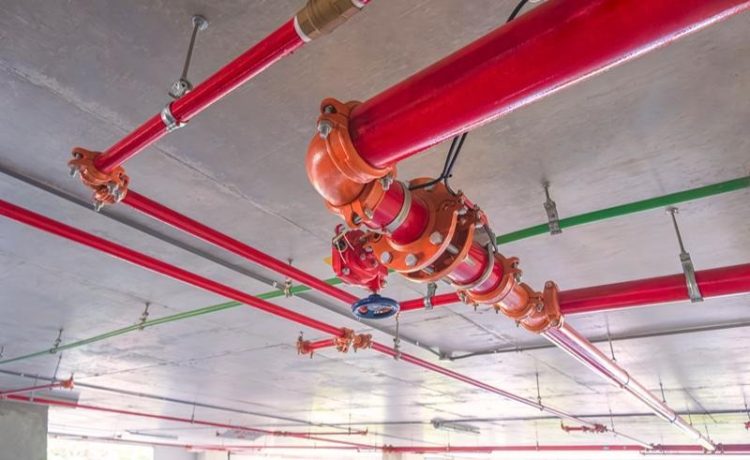
Infrastructure projects demand meticulous safety planning from design to operation. Fire engineering consultants serve as integral partners, applying technical insight to safeguard structures and people. They bring precision in evaluating how fire may affect a building’s integrity, ensuring every stage aligns with regulatory standards and real-world performance needs.
Fire safety planning depends on analytical assessment rather than assumptions. Consultants assess building geometry, occupancy, and material use, forming strategies that maintain safety without compromising architectural intent. Their involvement from the earliest stages ensures design decisions reflect accurate fire performance data rather than afterthoughts.
Collaboration with these specialists also promotes efficiency. Design revisions at later stages cost time and resources, while early input from fire experts prevents non-compliance. This integrated approach benefits contractors, architects, and owners seeking reliability in high-stakes environments such as hospitals, airports, and industrial plants.
Role of Fire Engineering Assessment in Project Development
A comprehensive fire engineering assessment functions as a foundation for decision-making. It examines building performance during fire exposure and evaluates systems responsible for detection, suppression, and evacuation. These evaluations determine how design elements influence fire spread and occupant safety.
Consultants utilise computational models and risk simulations, allowing design teams to predict heat release, smoke movement, and structure response. Such precision supports the implementation of fire-rated materials and compartmentation that limit escalation during emergencies. Continuous assessment also ensures mechanical ventilation, alarm systems, and suppression networks perform to expectation.
Assessment findings help project stakeholders validate compliance with local regulations. Compliance extends beyond legal formality—it ensures functional readiness and credibility before project handover. These evaluations safeguard not only property but also project reputation by eliminating weaknesses before they turn into liabilities.
Designing Safer Structures Through Technical Insight
Architectural creativity and fire safety design can coexist through informed collaboration. Fire engineering consultants interpret design intent and align it with protection requirements, supporting creative yet compliant outcomes. They optimise fire exits, smoke control systems, and escape routes using quantitative evidence rather than prescriptive limits.
Technical insight from consultants introduces flexibility in design while maintaining safety standards. For instance, complex geometries and open-plan layouts benefit from performance-based design instead of conventional prescriptive codes. Such innovation allows functional aesthetics without reducing occupant protection.
Integration between architectural and fire engineering disciplines creates a synergy that enhances project success. Instead of adding safety measures at the end, safety evolves within the design process. This approach prevents costly retrofitting and improves system reliability once construction concludes.
Enhancing Compliance and Risk Control
Infrastructure projects operate under strict safety regulations. Compliance verification demands systematic documentation and expert validation. Fire engineering consultants manage these procedures, aligning designs with statutory requirements and international codes. They ensure fire engineering assessment reports meet submission standards and support approvals without delay.
Beyond compliance, consultants manage risk through preventive strategies. They identify vulnerabilities in mechanical systems, access routes, and storage zones that may heighten fire exposure. Their recommendations minimise operational hazards while ensuring ease of maintenance and inspection throughout a building’s lifespan.
Risk control also extends into training and operational readiness. Consultants help project teams understand emergency procedures and system functionality, establishing continuity between design, construction, and occupancy. Their holistic approach ensures fire safety remains functional long after project completion.
Long-Term Benefits of Engaging Fire Engineering Consultants
Sustainability in infrastructure design requires more than energy efficiency—it includes safety and resilience. Fire engineering consultants enable long-term risk management through adaptable systems that evolve with building use. Periodic assessment and system review guarantee that installed measures continue performing under changing occupancy or layout conditions.
Early engagement reduces long-term costs by avoiding unnecessary design changes or compliance penalties. Moreover, buildings with verified fire engineering systems attract greater confidence from investors and regulatory bodies. Their involvement signals due diligence and professional oversight, strengthening project credibility.
For developers aiming for large-scale or complex structures, engaging fire consultants provides measurable value. Their contributions transform safety from regulatory burden into operational strength, preserving assets and saving lives. Every infrastructure project benefits from having fire safety expertise embedded throughout its life cycle.
Ensure every project meets the highest fire safety standards with precision and reliability. Contact SHEVS IFT Consultants for professional fire engineering consultants and expert fire engineering assessment today.