Ponds always look calm on the outside, but behind that peaceful surface, there is a whole lot happening. And if you want that water to stay clean, a pressurised pond filter almost feels like magic. So let us talk about how these things work without diving into complicated jargon.
When you start exploring equipment for your pond, you will probably bump into Oase pressure filters pretty quickly. They are everywhere for a reason. At That Pond Guy website, they highlight these filters as solid, reliable choices for people who want better clarity without fighting with their equipment every weekend.
What Exactly Is a Pressurised Pond Filter?
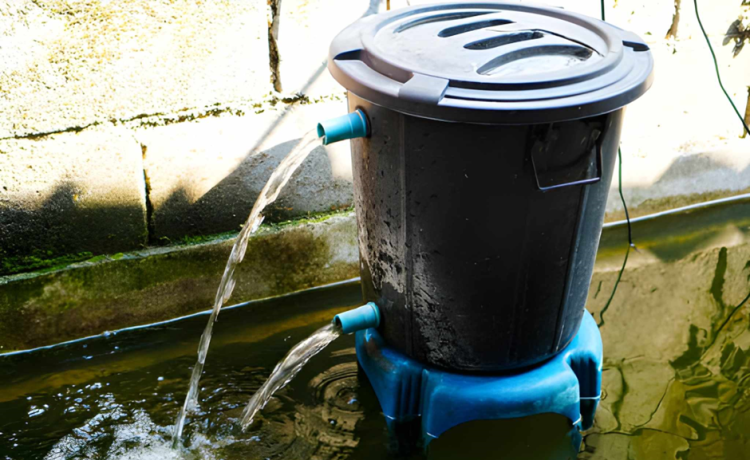
Imagine a closed canister. Inside it, a mini world of sponges, bio-media, and sometimes a UV light is waiting to clean whatever your pond throws into it.
A pressurised filter works because:
- Water gets pushed into the canister by a pump.
- The container stays sealed, which builds pressure.
- Pressurised water can even travel uphill.
It is different from a gravity filter, which just sits there and lets water trickle through slowly. This one is more energetic.
What Happens Inside the Filter?
The water goes through a small adventure in there. Three main stages get the job done:
1. Mechanical Filtration
This comes first. The dirt, fish poop, leaves, and tiny floating bits get trapped in sponges or foams.
- Removes the chunky stuff.
- Helps stop sludge buildup.
- Keeps everything flowing smoothly.
2. Biological Filtration
Here is where the tiny heroes, beneficial bacteria, do their thing.
- They live on media like bio-balls or porous materials.
- They “eat” ammonia and nitrites.
- This makes the water safer for fish, especially koi or goldfish that love to create waste.
3. UV-C Clarification
Some pressurised filters include a UV light, which
- Breaks apart the cells of green water algae.
- Helps keep the water clear rather than greenish-foggy.
- Adds almost no effort from your side, just replace the bulb every now and then.
Why People Like Pressurised Pond Filters
Honestly, these filters solve a lot of annoying pond problems.
A few things people love:
- They are compact and easy to hide.
- It can be buried or tucked behind plants.
- Handle mechanical, biological, and UV in one unit.
- Improve overall pond circulation.
And they are versatile enough for most medium or even slightly bigger ponds.
Maintenance
No filter is 100% maintenance-free, and pressurised systems are not magical exceptions. But the upkeep is doable.
- Rinse mechanical sponges when the flow drops.
- Rinse the biological media gently using pond water.
- Replace UV bulbs as they lose strength.
- Always pick a filter that matches your pond size; undersized filters struggle constantly.
Small actions keep the whole system performing as it should.
Should You Actually Get One?
If your pond has plenty of fish or you just want clearer water without weird experiments or constant fiddling, yes, a pressurised filter is usually a great choice. And if you are choosing equipment like Oase pressure filters from That Pond Guy, you are investing in something sturdy that won’t disappoint.
For very tiny ponds with minimal stock, you might choose something simpler. But for most garden ponds, pressurised filters hit a really comfortable sweet spot.