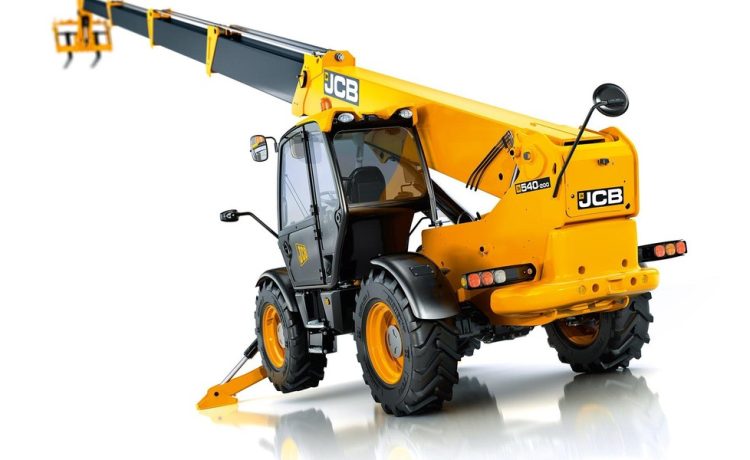
Construction managers know the feeling. You landed a three-month project that will require equipment that is not too light but not too heavy; however, once you start to gather quotes, just consider buying the equipment, the numbers don’t add up. Telehandlers are not all-in or all-out in a lot of the scenarios—you need telehandlers for your job; however, there is no point in buying them for this one project, as you could get funded by renting. That’s where rental options from a licensed website change the equation entirely.
The Real Cost Of Ownership Goes Beyond The Price Tag
Buying a telehandler means committing to more than the initial purchase. Maintenance schedules demand attention. Insurance premiums arrive monthly. Storage eats up yard space that could serve other purposes. For short-term work, these ongoing expenses stack up quickly.
Rental agreements eliminate most of these headaches. The equipment shows up when you need it and leaves when you don’t. No oil changes to schedule. No annual inspections to coordinate. The rental company handles the backend work while your crew focuses on the actual project.
Flexibility Matters When Project Demands Shift
Construction timelines rarely follow the original plan. Weather delays push schedules back. Client requests a change to the scope mid-project. Material deliveries arrive late. When you own equipment, it sits idle during these gaps, depreciating while earning nothing.
Renting lets you scale equipment use to match real needs. Need a telehandler for two weeks? Rent it for two weeks. Project extends another month? Extend the rental. This adaptability keeps costs aligned with actual work, not projected timelines that may or may not hold.
Access To Newer Models Without The Depreciation Hit
Equipment technology moves forward whether you’re ready for upgrades or not. A telehandler purchased three years ago lacks the fuel efficiency, safety features, and operational improvements of current models. Selling used equipment to upgrade means absorbing depreciation losses.
Rental fleets refresh regularly. The implication is that you are getting to use almost new equipment without any of the costs of depreciation. Every project can dictate the best equipment instead of making attempts with existing equipment that isn’t technology or use-specific to that one job.
Tax Benefits Favor Rental Expenses
Rental payments qualify as operating expenses, fully deductible in the year they occur. Equipment purchases follow different rules, with depreciation schedules spreading deductions across several years. For businesses managing cash flow and tax planning, the immediate expense recognition of rentals offers clear advantages.
When The Work Ends, So Does The Commitment
Projects finish. That’s the nature of construction work. When the last load gets lifted and the site clears, owned equipment becomes an asset looking for its next purpose. It takes up space. It requires upkeep. It represents capital that could be working elsewhere in the business.
Rental returns are simple. The equipment goes back, and your obligation ends. No selling process. No advertising. No negotiating with potential buyers. The transition from project completion to the next opportunity happens cleanly.
Conclusion
For contractors evaluating equipment needs, the rental-versus-purchase decision comes down to honest math about usage patterns. Short-term projects favor rentals almost universally. Rental thus becomes the practical choice when work has clear endpoints because of the flexibility, reduced administrative burden, and elimination of long-term commitments. You can also look into rentals through a reliable website that specializes in telehandler services, making the process quite straightforward from quote to delivery.