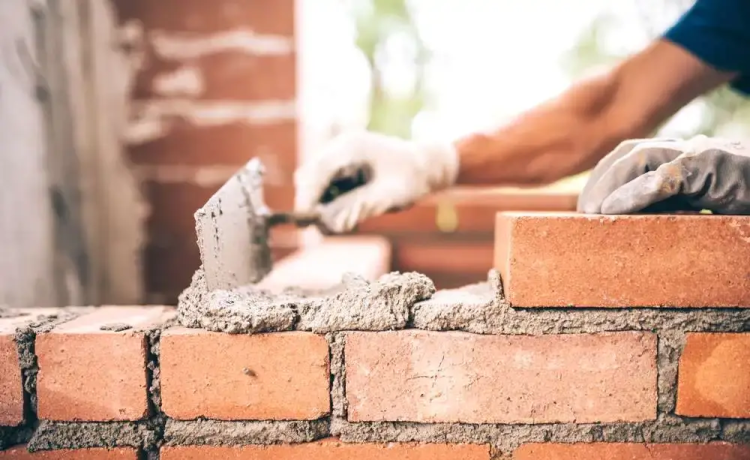
Brickwork has a major influence on a property’s appearance, durability, and long-term value. Whether you are planning a house extension, garden wall, new build, repair, or commercial development, quality workmanship is essential. Well-built brickwork should look precise, withstand the weather, and complement the existing property rather than appearing like an afterthought.
Choosing the right contractor early can help your project run more smoothly and reduce the risk of costly corrections later.
Start With a Clear Scope of Work
Before requesting quotes, outline what you want to achieve. Include the approximate size of the project, the location, your preferred finish, and whether it involves matching existing brickwork.
For example, an extension may require:
- Foundations and structural brickwork
- Cavity walls and insulation
- Matching bricks and mortar
- Openings for windows and doors
- Garden or drainage alterations
- Coordination with other trades
A clear brief helps contractors provide a more accurate quotation and identify practical considerations from the outset.
Look for Relevant Brickwork Experience
Not all bricklaying projects are alike. A contractor experienced in new-build housing may approach a heritage repair differently from a garden-wall project or a commercial development.
Ask About Similar Projects
When comparing contractors, ask to see examples of work that is similar in scale and style to yours. This can help you assess the quality of the finish, consistency of mortar joints, brick matching, and attention to detail.
For older properties, experience with restoration or sympathetic brick matching can be particularly important. The aim is to ensure new work sits naturally alongside the original building.
Check for a Professional Approach
A reliable contractor should be happy to discuss the project, explain how they plan to carry out the work, and answer questions clearly. They should also consider site access, materials, weather conditions, safety, and realistic timescales.
For domestic and commercial brickwork projects, S&D Brickwork Ltd provides professional support across a range of construction and masonry requirements.
Compare Quotes Properly
It is sensible to obtain more than one quotation, but the cheapest option is not automatically the best value. A lower figure may exclude important work, use different materials, or be based on assumptions that later lead to extra costs.
When reviewing a quote, check whether it includes:
- Labour and materials
- Preparation and groundwork
- Brick and mortar specifications
- Waste removal
- Scaffolding or access equipment, where required
- Estimated start and completion dates
- VAT, if applicable
If something is unclear, ask before agreeing to the work. A detailed written quote gives both you and the contractor a clearer understanding of what is included.
Consider Brick and Mortar Matching
The colour, size, texture, and finish of bricks can vary significantly. Even small differences may be noticeable when new brickwork is joined to an existing wall or property.
Choose Materials Carefully
Try to identify the existing brick type before ordering new materials. In some cases, reclaimed bricks or specialist matching products may be appropriate, particularly for period homes.
Mortar also matters. Its colour and finish can change the overall appearance of the brickwork. Discussing these details before work starts can help avoid an inconsistent result.
Think About the Finished Look
Strong brickwork is not only structural—it is also visible. Straight lines, even joints, tidy edges, and well-planned details around openings all contribute to a polished finish.
If the project includes a feature wall, boundary wall, porch, or extension, taking time to agree on the intended appearance is worthwhile.
Plan for Weather and Site Conditions
Brickwork is affected by weather conditions. Heavy rain, very low temperatures, and extreme heat can influence mortar and working conditions. A professional contractor will monitor the forecast and take sensible precautions to protect the work.
Site conditions can also affect the project. Restricted access, uneven ground, neighbouring properties, parking limitations, or the need for scaffolding may all need to be considered before work begins.
Good planning helps prevent unnecessary delays and keeps the site safer and more organised.
Keep Communication Open
Regular communication makes construction projects easier to manage. Agree on how updates will be shared, who will order materials, and how any changes will be approved.
If you decide to alter the design or add work during the project, ask for the changes and associated costs to be confirmed in writing. This avoids misunderstandings and keeps the budget under control.
FAQ
How do I know if I need a brickwork specialist?
A brickwork specialist is useful for projects involving structural walls, extensions, repairs, new builds, repointing, or work where appearance and durability are important.
Should I choose the lowest brickwork quote?
Not necessarily. Compare what each quote includes, the contractor’s experience, material quality, and the expected standard of finish.
Can new bricks be matched to an older property?
Often, yes. A contractor can advise on suitable bricks, reclaimed options, and mortar choices to create a more sympathetic match.
How long does a brickwork project take?
Timescales vary depending on the size of the project, weather, access, materials, and whether other trades are involved. Ask for an estimated schedule before work starts.
Conclusion
Choosing a brickwork contractor is about more than finding someone available to lay bricks. The right professional will understand your project, recommend suitable materials, provide a clear quotation, and deliver a durable, well-finished result.
By planning carefully, checking relevant experience, and communicating clearly from the start, you can give your project the best possible foundation.