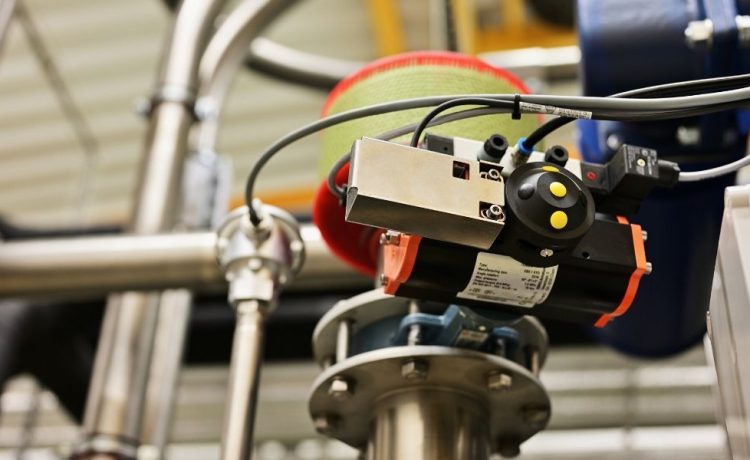
Bulk processing facilities constantly manage powders, pellets, and granules carefully. Material transfer points often experience pressure imbalance and flow interruptions. Engineers frequently depend on the air rotary valve for controlled discharge. Stable transfer improves reliability across dense material handling environments.
Managing Continuous Material Flow Reliability
Bulk systems depend on uninterrupted movement between processing stages. Flow interruptions can slow production and disrupt downstream equipment stability. Rotary valves maintain regulated discharge between conveyors and storage units.
- Controls consistent discharge between hopper and conveyor
- Prevents material bridging inside storage outlets
- Maintains regulated feed across processing lines
- Supports uninterrupted transfer between equipment stages
Reliable feeding keeps machinery operating within expected capacity ranges. Stable flow prevents costly downtime across high volume processing environments. Efficient transfer also supports consistent throughput during demanding production cycles.
Reducing Pressure Leakage Between Equipment Chambers
Industrial conveying systems often separate zones with different pressure conditions. Without sealing components, airflow escapes and disrupts process efficiency. Rotary valves isolate chambers while allowing steady product discharge.
- Preserves pressure difference between conveying chambers
- Prevents unwanted air infiltration during material transfer
- Supports sealed movement through pneumatic systems
- Maintains system efficiency during high volume operation
Maintaining pressure separation stabilizes pneumatic transport reliability. Controlled isolation protects compressors and prevents energy waste across transfer lines. Consistent sealing also reduces turbulence within enclosed conveying systems.
Why Do Bulk Systems Need Controlled Feeding?
Processing equipment often requires carefully measured material entry. Unregulated feeding may overload grinders, dryers, or reactors. Rotary valves moderate supply by releasing precise quantities steadily. That controlled feed protects machinery from sudden volume surges.
Preventing Dust Escape During Material Handling
Powder processing often produces airborne particles during transfer. Without proper isolation, dust escapes into surrounding equipment areas. The air rotary valve forms a rotating seal during discharge. That barrier limits dust migration across transfer points effectively.
- Contains airborne particles during hopper discharge
- Protects surrounding equipment from powder contamination
- Supports safer working conditions inside facilities
- Reduces cleanup requirements after transfer operations
Dust containment improves safety and environmental compliance simultaneously. Controlled discharge minimizes airborne accumulation within enclosed processing halls. Stable transfer also protects nearby sensors and monitoring instruments.
How Do Rotary Valves Support Pneumatic Conveying?
Pneumatic transport requires controlled feeding into pressurized pipelines. Rotary valves regulate entry without disturbing internal pressure balance. Each rotor pocket releases material gradually into airflow streams. That measured delivery prevents blockages inside conveying pipelines.
Protecting Processing Equipment From Overloading
Heavy material surges may strain conveyors, mixers, or crushers. Controlled discharge prevents sudden loads entering sensitive equipment stages. Rotary valves meter material volumes before downstream processing occurs. Gradual feeding extends operational life of critical machinery components. Production managers benefit from predictable equipment performance during continuous operations.
Maintaining Accurate Metering During Processing
Bulk material handling systems require steady and predictable feeding rates. Inconsistent discharge often disrupts mixing, drying, or blending performance. Rotary valves maintain controlled rotation that regulates measured product release. That steady metering helps equipment receive balanced input continuously. Accurate feeding improves processing stability and reduces unexpected operational disturbances.
Supporting Stable Operations In Demanding Facilities
Modern plants process diverse materials requiring dependable transfer systems. Rotary valves quietly manage flow, pressure separation, and dust control. Their rotating mechanism delivers reliable discharge across many industries. Stable operation helps facilities maintain efficiency during extended production cycles.