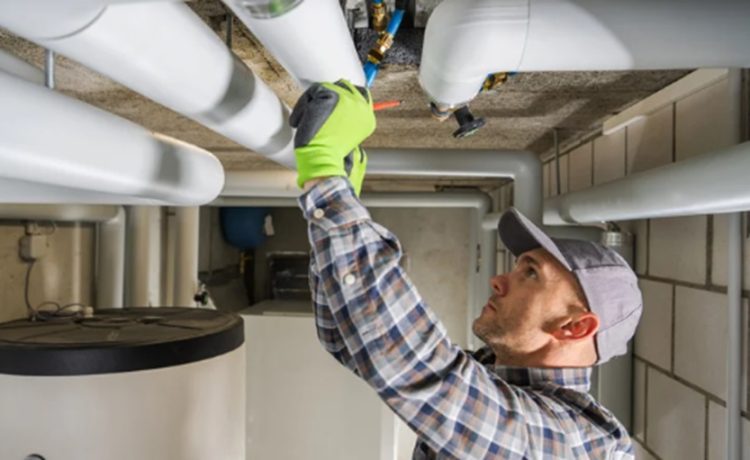
In any commercial environment, plumbing systems operate quietly in the background—until something goes wrong. A burst pipe, a blocked drain, or a failing water heater can bring operations to a standstill, leading to lost productivity, health code violations, or even costly closures. That’s why commercial plumbing is not just about repairs; it’s about safeguarding business continuity through preventive care and expert system design.
Companies looking into commercial plumbing in Oklahoma often do so to ensure their infrastructure supports long-term functionality, safety, and compliance. Proper plumbing is an essential component of a business’s resilience strategy, impacting everything from employee comfort to operational efficiency.
The Importance of Professional Planning and Maintenance
A well-maintained commercial plumbing system does more than provide clean water and efficient waste removal. It prevents unexpected downtime, mitigates damage risk, and extends the lifespan of critical infrastructure. However, achieving this requires careful planning and routine service tasks best handled by professionals who understand commercial-scale complexities.
Unfortunately, businesses can sometimes run into trouble by selecting the wrong provider or underestimating their plumbing needs. That’s why understanding common mistakes made when hiring commercial plumbers is vital. Oversights such as skipping licensing checks, ignoring response time requirements, or neglecting to ask about maintenance protocols can result in subpar service and recurring problems.
In contrast, working with experienced commercial plumbers ensures systems are designed to meet the high demands of business environments. This includes everything from proper pipe sizing and backflow prevention to grease trap maintenance and code compliance.
Upgrades That Future-Proof Operations
Plumbing technology, like many aspects of facility management, continues to evolve. Businesses that invest in modern systems often find themselves with more efficient operations and lower long-term costs. Smart water meters, touchless fixtures, and leak detection technology are just a few innovations contributing to better sustainability and user experience.
Proactively addressing aging infrastructure also plays a key role in preventing unexpected failures. In fact, one of the most impactful ways to enhance business reliability is by understanding the benefits of upgrading outdated plumbing systems. Upgrades can lead to fewer repairs, improved water conservation, and better compliance with environmental standards, helping businesses avoid fines and disruptions while improving day-to-day operations.
How Plumbing Impacts Business Continuity
Plumbing-related issues don’t just affect utility functions—they can damage flooring, walls, inventory, and even IT equipment. In industries like healthcare, food service, and manufacturing, any plumbing failure can compromise safety and regulatory compliance. That’s why reliable plumbing infrastructure is central to risk management.
Routine inspections, emergency response protocols, and system upgrades all contribute to a strong continuity plan. Businesses that take plumbing seriously often recover more quickly from emergencies and experience fewer interruptions overall.
Conclusion
Commercial plumbing plays a foundational role in supporting business continuity. From preventing costly disruptions to enabling smarter facility management, professional plumbing solutions are an investment in a company’s stability and reputation. By avoiding common hiring mistakes and considering strategic system upgrades, businesses can protect operations, improve efficiency, and ensure long-term reliability. Ultimately, investing in expert plumbing services is a strategic decision that yields both immediate and long-term returns. It safeguards not just physical assets but also the continuity and credibility of the business itself.