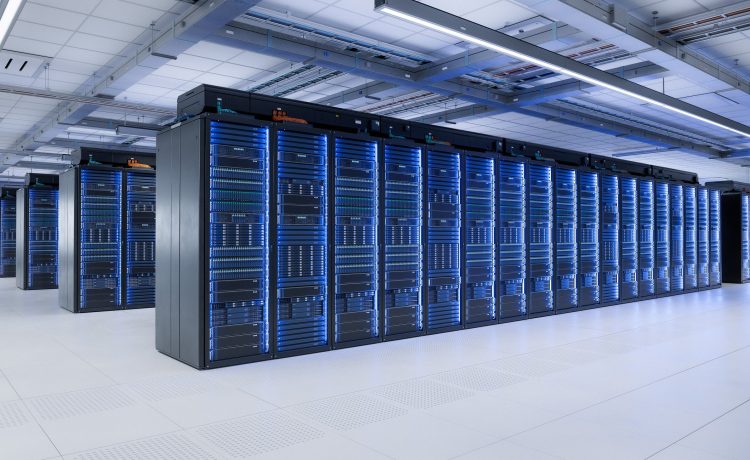
Modern data centers depend on far more than servers, cooling systems, and software. Behind every reliable digital environment is a carefully designed electrical and communications infrastructure capable of operating continuously under demanding conditions. Experienced New Jersey DataCenter Electricians play an important role in building, expanding, and maintaining these systems.
From power distribution and backup systems to network cabling and fiber connections, data center electrical work requires careful planning. Small installation mistakes can become significant operational problems when hundreds or thousands of devices depend on the same infrastructure.
For businesses in New Jersey, working with an electrical contractor that understands both power and communications infrastructure can simplify complex projects and create a more coordinated installation process.
What Do Data Center Electricians Do?
Data center electrical contractors work on the infrastructure that supplies power and connectivity to servers, networking hardware, storage equipment, cooling technology, and supporting systems.
Unlike a typical commercial installation, data centers often have unusually high requirements for reliability, redundancy, organization, and future scalability.
Professional New Jersey DataCenter Electricians may be involved in projects such as:
• Electrical distribution systems
• Three-phase power installations
• High- and low-voltage electrical work
• Switchgear and panel boards
• Transformers
• Computer room electrical infrastructure
• UPS systems
• Surge protection
• Backup generator systems
• Automatic transfer switches
• Network cabling
• Fiber-optic backbone installations
• Preventive electrical maintenance
The goal is not simply to supply electricity. The infrastructure must support continuous operation while allowing systems to be serviced, upgraded, and expanded when necessary.
Reliable Electrical Infrastructure Starts With Proper Planning
Data centers consume significant amounts of electricity, and their power demands can change as additional servers and networking equipment are installed.
For that reason, electrical planning should consider both current requirements and future growth.
A properly designed system may include separate circuits, power distribution equipment, UPS systems, surge protection, backup generators, and transfer switches. These components help maintain electrical stability during normal operation while providing additional protection when utility power becomes unavailable.
Experienced electricians can also coordinate electrical systems with other parts of the facility, including lighting, cooling equipment, network rooms, and monitoring systems.
This integrated approach becomes particularly valuable during data center expansions or renovations.
FiberOptics Installation for High-Speed Data Infrastructure
Electrical power is only one part of modern data center infrastructure. Fast and dependable communication between systems is equally important.
Professional FiberOptics Installation provides the high-capacity connections required for transferring large amounts of data across facilities, between network rooms, or between different sections of a campus.
Fiber-optic infrastructure offers several advantages for demanding communication environments. It can support high bandwidth, long transmission distances, and network architectures designed for substantial amounts of data traffic.
In many facilities, fiber is used as backbone cabling while copper Ethernet connections handle shorter connections between network equipment and individual devices.
A professionally planned FiberOptics Installation should consider cable routing, termination points, equipment locations, future expansion, and protection of the physical cabling.
Organized installations also make troubleshooting and future infrastructure changes significantly easier.
The Role of a cat6/cat6a cabling contractor
Copper network cabling remains an essential part of many commercial and data center environments.
A professional cat6/cat6a cabling contractor can design and install structured cabling for servers, workstations, network equipment, access points, cameras, control systems, and other connected devices.
Cat6 and Cat6a cabling are commonly used where dependable Ethernet connectivity is required.
Proper installation involves much more than pulling cables between two locations. Cable pathways must be planned carefully to reduce unnecessary congestion and avoid conflicts with electrical equipment or other building systems.
Termination, labeling, routing, testing, and documentation are also important.
A skilled cat6/cat6a cabling contractor creates infrastructure that technicians can understand and manage even years after the original installation.
That matters because data centers rarely remain unchanged. New racks are added. Equipment is replaced. Network architecture evolves.
Structured cabling should make those changes easier rather than creating additional complications.
Combining Electrical and Network Cabling Services
One advantage of working with a contractor experienced in both electrical and communications infrastructure is better coordination.
Power and data systems often occupy the same technical spaces. Server rooms may contain electrical panels, UPS equipment, network racks, fiber connections, copper cabling, and backup power systems within a relatively compact area.
When these systems are planned independently, conflicts can occur.
A contractor familiar with both sides of the infrastructure can coordinate cable routes, equipment placement, power requirements, network pathways, and future expansion more effectively.
Bauer Electric provides commercial and industrial electrical services that include high- and low-voltage work, computer room infrastructure, certified network cabling, backbone wiring, fiber optics, UPS systems, generators, and automatic transfer switches.
This combination can be particularly useful for organizations planning data center upgrades or new technical facilities.
Backup Power Is Critical for Data Centers
Power interruptions can have consequences that extend far beyond a dark building.
Servers may shut down unexpectedly, network services can become unavailable, and business applications may be interrupted. For organizations that depend heavily on digital systems, even a relatively short outage can create operational problems.
Data centers therefore commonly use multiple layers of power protection.
UPS systems can provide immediate short-term power during an interruption. Backup generators can then support longer periods of operation.
Automatic transfer switches help move electrical loads between utility power and generator systems when required.
Professional New Jersey DataCenter Electricians can help install and maintain these components as part of a coordinated backup power strategy.
Preventive Maintenance Helps Protect Critical Infrastructure
Electrical infrastructure should not be forgotten once installation is complete.
Connections, distribution equipment, generators, transfer switches, and other components benefit from regular inspection and maintenance.
Preventive maintenance can identify developing issues before they become unexpected failures.
This is especially important in data centers because electrical systems often operate continuously and support equipment that organizations cannot easily take offline.
Routine maintenance also provides an opportunity to evaluate whether the existing infrastructure still matches the facility’s current electrical load and operational requirements.
Building Infrastructure for Future Expansion
One of the most important questions during any data center project is simple: what happens when the facility needs more capacity?
Infrastructure designed only for today’s requirements can quickly become restrictive.
Future expansion may involve additional server racks, networking equipment, fiber connections, copper cabling, UPS capacity, or electrical distribution equipment.
Planning additional pathways, accessible network infrastructure, and scalable power systems during the original installation can make future upgrades considerably easier.
The same principle applies to FiberOptics Installation and structured copper cabling. Good infrastructure should be organized, documented, and designed so additional connections can be added without rebuilding the entire system.
Choosing New Jersey DataCenter Electricians
Selecting the right contractor requires more than comparing basic electrical services.
Data center projects benefit from electricians who understand commercial and industrial electrical systems as well as communications infrastructure.
Organizations should look for experience with areas such as:
• Three-phase electrical systems
• High- and low-voltage installations
• UPS systems and surge protection
• Generators and automatic transfer switches
• Computer rooms
• Structured network cabling
• Fiber-optic backbone wiring
• Cat6 and Cat6a installations
• Preventive maintenance
• Infrastructure expansion
Having these capabilities available through one experienced contractor can reduce coordination challenges across complex projects.
A Strong Foundation for Critical Digital Systems
Servers and networking equipment receive most of the attention in a data center, but their performance ultimately depends on the infrastructure supporting them.
Reliable electrical distribution keeps equipment operating. Backup systems help protect against power interruptions. FiberOptics Installation provides high-capacity backbone connectivity, while an experienced cat6/cat6a cabling contractor creates organized connections throughout the facility.
For companies building, upgrading, or expanding technical infrastructure, professional New Jersey DataCenter Electricians provide the foundation required for dependable day-to-day operation.
Carefully planned power and communications systems do more than solve immediate installation requirements. They create infrastructure that can remain organized, serviceable, and adaptable as technology and business requirements continue to change.