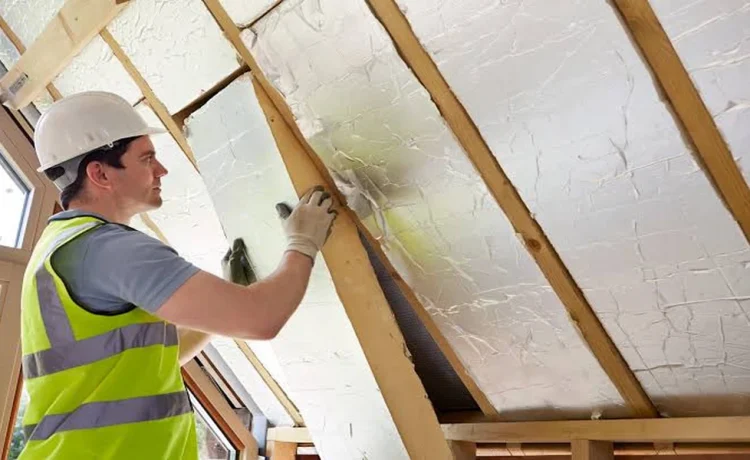
A well-insulated home is easier to live in throughout the year. It can feel warmer during winter, more comfortable in changing temperatures, and less affected by draughts or cold spots. For homeowners, builders, and renovators, choosing the right insulation is an important step in improving both comfort and energy efficiency.
However, insulation is not a one-size-fits-all purchase. The best material for a loft may not be suitable for a cavity wall, suspended floor, or garage conversion. Understanding where heat is being lost and what the project requires can help you make a more confident choice.
Start by Identifying Where Heat Escapes
Before choosing a product, consider which parts of the property need attention. Heat can escape through several areas, particularly in older homes or buildings with limited existing insulation.
Common areas to assess include:
- Roofs and lofts
- External and internal walls
- Floors above unheated spaces
- Cavity walls
- Garages and extensions
- Pipework and service areas
A loft is often a practical place to start because warm air rises. Improving roof or attic insulation can help reduce heat loss through the top of the property, while wall and floor insulation may improve comfort in rooms that feel cold despite adequate heating.
If you are planning a larger construction project, it is worth reviewing insulation requirements alongside the building design. This can help avoid costly changes later.
Match the Material to the Application
Different insulation materials offer different benefits. The right choice depends on the available space, the construction type, moisture considerations, thermal performance requirements, and ease of installation.
Loft and Roof Insulation
Loft insulation is commonly used to reduce heat loss through the roof space. Rolls, slabs, and rigid boards may all be suitable depending on whether the loft is used only for storage or is being converted into a living area.
If the loft will be boarded, it is important to allow enough room for the insulation to perform properly. Compressing some materials can reduce their effectiveness, so the finished design should account for the required depth.
Wall Insulation
Walls can be insulated in several ways, including cavity wall insulation, internal wall insulation, and external wall insulation. The most suitable option often depends on the age and construction of the building.
Cavity wall insulation may be appropriate where a property has suitable wall cavities, while solid-wall homes may require insulation installed internally or externally. Because wall work can affect moisture management, ventilation, and finishes, professional advice is particularly valuable before starting.
Floor Insulation
Floor insulation can improve comfort in rooms above garages, cellars, crawl spaces, or unheated ground-floor areas. It can also help reduce cold draughts coming through gaps around floorboards.
Rigid insulation boards are commonly used in renovation and new-build projects, while other materials may be more suitable for suspended timber floors. The goal is to improve warmth without creating issues with ventilation or access to services.
Think Beyond Thermal Performance
Keeping heat in is important, but it is not the only factor to consider. The ideal insulation solution should also suit the way the building is used.
Moisture and Ventilation
Insulation should work alongside good ventilation and moisture control. Condensation can occur when warm indoor air meets cold surfaces, particularly in bathrooms, kitchens, roof spaces, and poorly ventilated areas.
Before insulating, identify and fix any existing damp problems. Adding insulation over an unresolved issue can make diagnosis more difficult later. Consider how the material will interact with vapour control layers, ventilation gaps, and the building’s existing structure.
Sound Reduction
Some insulation products can also help reduce unwanted noise between rooms, floors, or neighbouring properties. Acoustic insulation may be useful for home offices, flats, media rooms, bedrooms, and commercial spaces where privacy or quieter surroundings matter.
For projects involving both thermal and acoustic performance, ask whether one material can address both requirements or whether separate solutions are needed.
Measure Carefully and Plan for Installation
Ordering too little insulation can delay a project, while buying the wrong thickness or format may lead to unnecessary waste. Measure the area accurately and confirm the product’s intended application before placing an order.
It is also useful to think about delivery, storage, cutting, and installation. Large rigid boards may need more handling space, while insulation rolls can be easier to transport through a loft hatch. Wear suitable protective equipment and follow the manufacturer’s installation guidance.
For help selecting products for domestic, trade, or commercial projects, Hampshire Insulations supplies a broad range of insulation and associated building materials, alongside technical advice to help customers choose suitable solutions.
FAQ
Which part of a home should be insulated first?
Loft or roof insulation is often a sensible starting point because heat rises and can escape through the roof. However, the best priority depends on the property’s current condition and where heat loss is most noticeable.
Can insulation help reduce energy bills?
Effective insulation can reduce heat loss, meaning a home may need less energy to maintain a comfortable temperature. Actual savings depend on the building, heating system, existing insulation, and household habits.
Is wall insulation suitable for every property?
Not always. The right method depends on whether the building has cavity walls or solid walls, its condition, and whether there are moisture concerns. A professional assessment is recommended.
Can insulation reduce noise as well as heat loss?
Yes. Some products are designed to improve acoustic performance and can help reduce sound transfer between rooms or floors.
Conclusion
Choosing insulation carefully can make a meaningful difference to comfort, energy use, and the overall performance of a property. By identifying where heat is escaping, selecting materials for the correct application, and considering moisture, ventilation, and installation requirements, you can create a more efficient and comfortable space for years to come.